Aroma profiling and sensory analysis: The role of volatile organic compounds in foods
3 December 2025

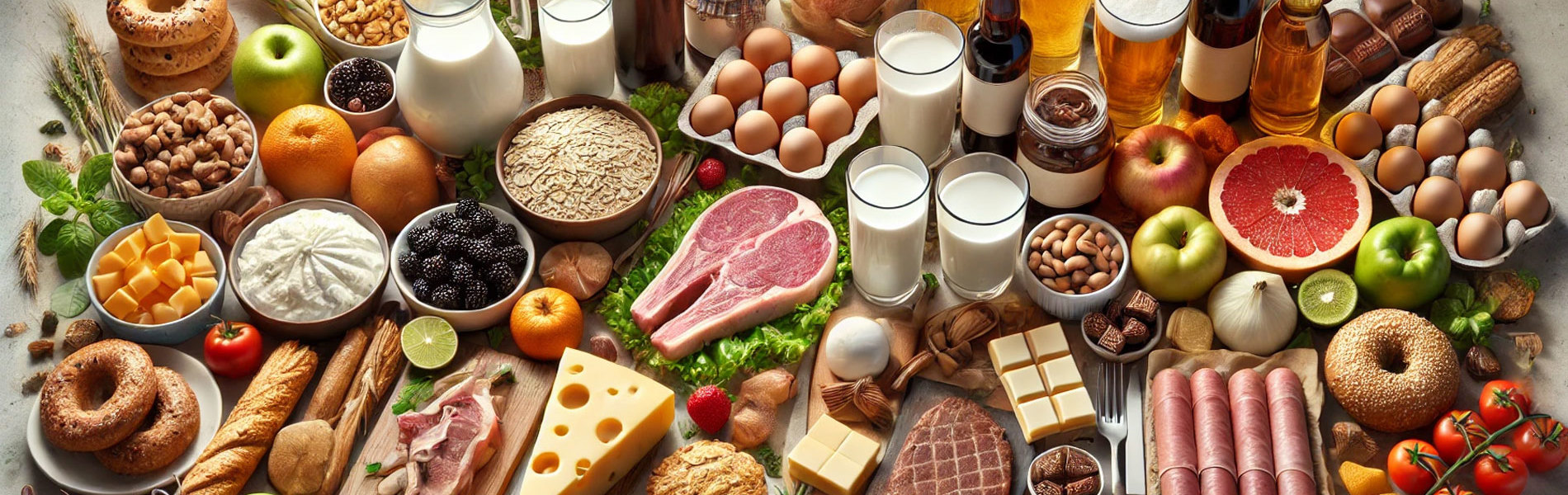
Food and beverage samples are among the most chemically intricate materials scientists work with. Each product is a distinctive blend of volatile and non‑volatile compounds that define its flavour, aroma and overall sensory appeal, influenced by how it is made, processed and stored. Unlocking those details, especially when compounds are at low or trace levels, is far from straightforward.
Common challenges include:
- Complex matrices with wide ranges of compound abundance that often require time‑consuming, manual sample preparation.
- The need to boost throughput without sacrificing sensitivity.
- Methods that are rarely one‑size‑fits‑all – different products can require entirely different analytical approaches.
- Reproducibility and consistency pressures, particularly where flavour profiles can make or break a product.
- The risk of human error from manual preparation, which can delay results and compromise data quality.
- The time and expertise required to train new staff to handle these workflows.
While our noses can detect subtle nuances, traditional instrumentation may struggle to keep up. Capturing an accurate and comprehensive flavour profile requires more than standard tools – it demands sensitive technology that can probe deeply into the chemistry of what we eat and drink.
From air to aroma profiling of foods: How Markes’ thermal desorption found a new frontier
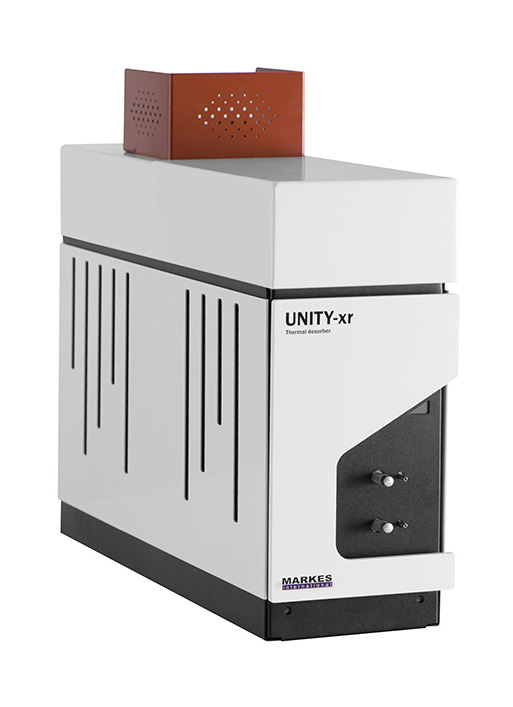
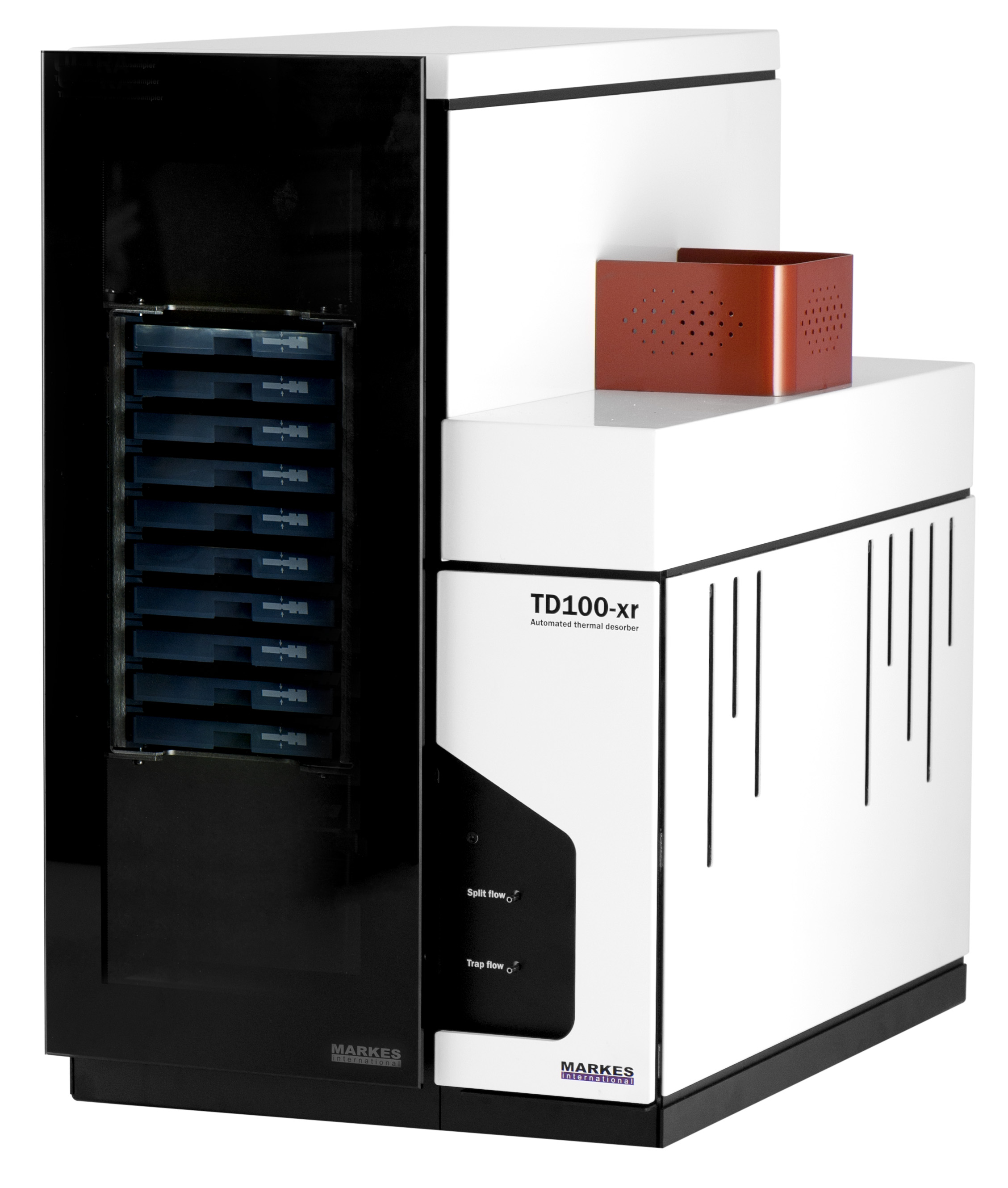
In 1997, our thermal desorption (TD) technology made its mark in environmental and indoor air analysis. That was the year we introduced backflush desorption and quantitative re‑collection – innovations that were cutting‑edge at the time and are now standard practice across the industry. As a powerful preconcentration technique for gas chromatography, TD helps scientists detect volatile and semi‑volatile organic compounds (VOCs) at trace levels, making it a go‑to approach for air‑sampling challenges.
Customer enquiries soon asked, "Can TD be used to analyse aromas from food and drinks?" The answer is yes. The same sampling principles used for environmental air can be applied to capture and concentrate gas‑phase volatiles from other sample types, such as the scent of fresh strawberries or the bouquet of wine.
Crucially, the core challenge is similar. Whether analysing volatiles in urban air or delicate aromas in coffee, laboratories need high sensitivity and throughput, with the ability to handle moisture‑rich samples. TD meets this need, delivering information‑rich data efficiently. Our backflush desorption technology underpins every system, providing enhanced chromatographic performance, wider compound‑range detection, greater confidence in compound identification and lower detection limits than traditional workflows.
Our goal remains the same: helping researchers uncover the invisible, one molecule at a time.
Still hungry for innovation: How customer feedback drives developments in food‑aroma analysis
Today, our focus on capturing rich aromas and flavours is as strong as ever. From navigating complex sample preparation to ensuring reproducibility across batches, food and beverage analysis is rarely uniform.
"Quite often we find that researchers will take a method used for one sample type and apply it to another, resulting in less‑than‑ideal results... that’s one of the drivers for extending our capacity by investing in automated extraction systems", explained Kieran Kilcawley, Principal Research Officer at Teagasc, Ireland.
Working closely with customers who perform this analysis every day – through collaborations and ongoing feedback – has deepened our understanding of their workflows, pain points and analytical needs.
We’re in such a good position now with such great support from the Markes team
Emerging trends in flavour science and sensory analysis, targeting trace contaminants and authenticity testing are pushing analytical boundaries. This insight feeds into our innovation roadmap and keeps developments focused.
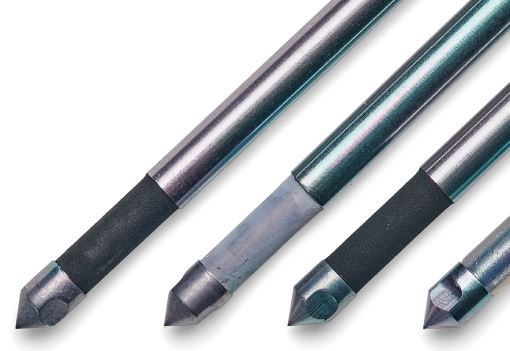
When working with complex samples, it is essential to capture as much useful data as possible. That is why we developed HiSorb – a high‑capacity sorptive extraction technique designed to maximise analyte recovery. HiSorb offers about 100 times more sorptive phase than a standard SPME fibre, and its robust design is effective for both headspace sampling and direct immersion in liquids, enabling a wider range of sample types to be addressed with confidence. As one customer commented:
“HiSorb is great at extracting trace aroma compounds… The headspace and immersive sampling options on Centri help us reveal a broader spectrum of volatile compounds”, says Diana Owsienko, Aroma Chemistry Group, Research Institutes of Sweden (RISE).
From aroma to automation: Insights and highlights
This year has delivered significant progress, with two highlights in particular. First, our technical workshop, The Science of Taste, hosted at the University of Greenwich, provided an excellent forum for deepening engagement with flavour analysis. A key takeaway was how enhanced analyte extraction with HiSorb can strengthen sensory analysis by GC–O.
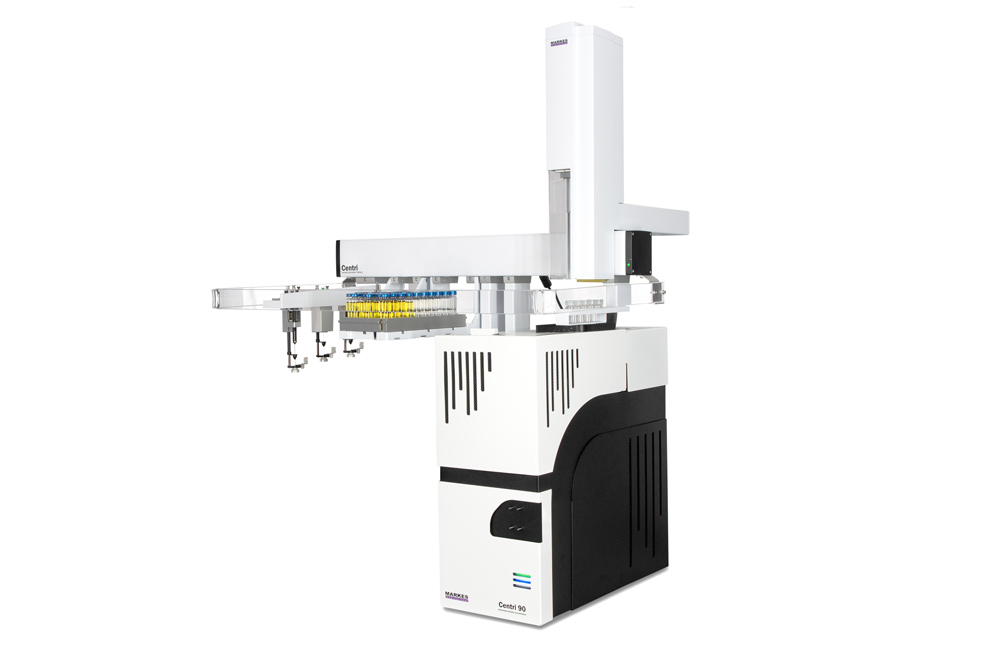
The second highlight was the commercialisation of automated HiSorb on Centri 90. Centri is a high‑performance system that combines Markes’ thermal desorption technology with the precision of CTC Analytics’ PAL3 robotics. This combination increases sample automation and concentration, taking techniques such as SPME and headspace analysis to the next level through enhanced analyte enrichment. The addition of automated HiSorb provides a powerful, complementary technique for modern analytical laboratories, streamlining workflows and helping users uncover what may previously have been missed.
HiSorb is great at extracting trace aroma compounds… The headspace and immersive sampling options on Centri help us reveal a broader spectrum of volatile compounds

Applications Guide: Food and drink