From food to recyled plastics: a versatile approach to odour analysis
20 April 2026

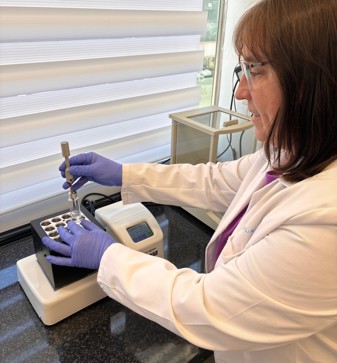 Odournet is a contract laboratory specialising in advanced chemical and odour analysis, working across a wide range of samples – from food and beverages to recycled plastics.
The lab handles three main types of requests: full VOC characterisation, identifying compounds responsible for specific odour issues, and quality control or monitoring specific VOCs to assess product performance. Their focus is on identifying VOCs and understanding how they contribute to odour profiles, product quality, or performance issues.
Dr Aaron Davies speaks with Carmen Villatoro about how Odournet tackles these diverse challenges.
What analysis do you carry out?
Typically, aroma-profiling for food samples and more recently investigating malodours from recycled plastic packaging. We work with plastic recycling companies across Spain and Europe on quality control of recycled polymers. A key challenge is removing residual odours during processing and confirming they have been successfully eliminated.
Recyclers collect plastics from a range of industrial sectors, including detergents, and process them into mixed materials that can retain odours from their original use. Clients frequently need to identify the specific compounds responsible for these off-odours.
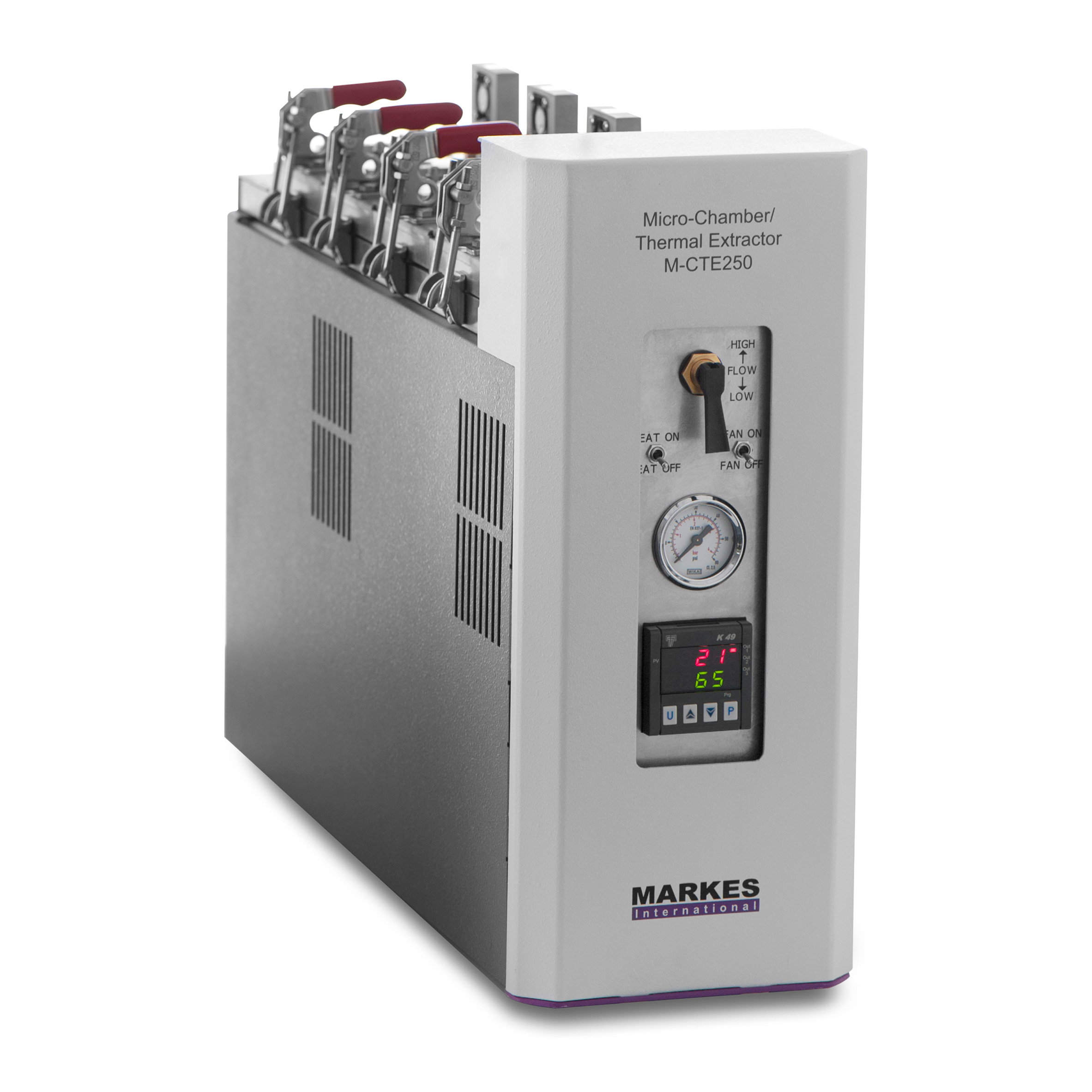
To do this, we analyse volatile compounds released from polymer samples using GC–MS with thermal desorption. Samples are generated via headspace methods, either microchambers or static headspace (e.g. gas sampling bags), and collected onto Tenax tubes.
Despite the complexity of these matrices, which contain a wide range of VOCs including aromatic and aliphatic hydrocarbons, the approach consistently delivers strong signals and reliable results. Samples are sometimes heated to around 130°C during microchamber analysis, and in some projects, we combine instrumental data with sensory panels to build larger datasets and increase confidence in the findings.
What are your main challenges?
Analysing samples for a wide volatility range and more recently for the analysis of beverages and foods with a high-water content are challenges for us. Water in particular, if not carefully managed, can cause problems with the column and GC–MS reducing instrument uptime. HiSorb has been invaluable for us, during validation we optimised methods across different sample types, particularly in food. We found HiSorb easy to use, robust and highly effective. Compared with other techniques, it recovers a broader range of VOCs, including very volatile and heavier compounds, especially using the immersion approach.
We’ve applied HiSorb to a range of food and beverage projects, including coffee, tea, wine and orange juice where it’s proven particularly reliable. We evaluated both headspace and immersion sampling and for some applications, such as wine and tea, immersion provided more detailed VOC profiles. Our focus included identifying trace compounds that influence flavour or cause off-notes. Overall, the technique performed well with both approaches.
Before adopting HiSorb, we mainly used microchambers, which work well but can have limitations with aqueous samples. High-moisture matrices like coffee and tea are particularly challenging, as heating can cause excessive evaporation and water uptake can reduce VOC collection efficiency. In these cases, HiSorb proved more suitable.
For new projects, we often compare HiSorb with microchamber methods to assess performance across different sample types. Results have been very promising, including for polymers. Its versatility gives it a strong potential for multiple applications.
We’ve been really surprised how easy the HiSorb probes are to use. They’re also robust, and we’re getting great results – we’re really happy!
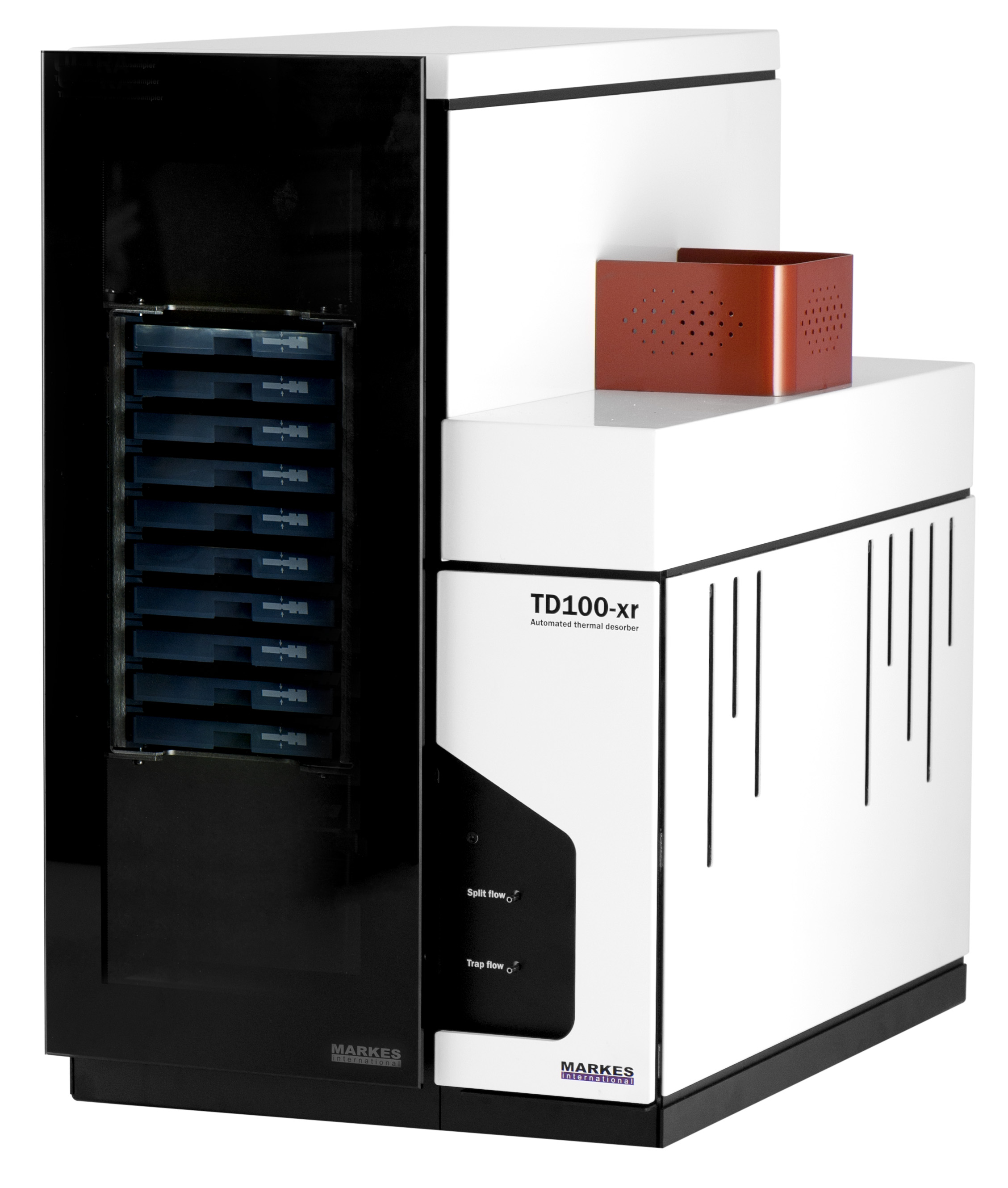
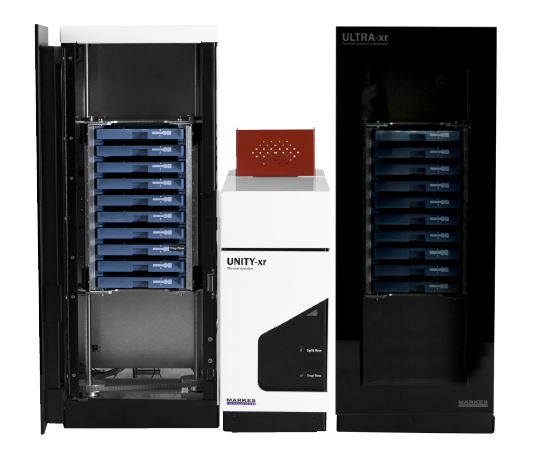
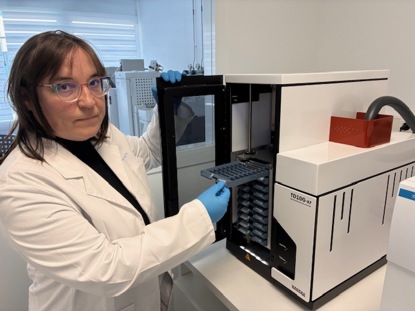
Another major benefit of the TD100-xr is the ability to re-collect a sample onto the same tube or a clean tube which is invaluable for confirmatory or repeat analysis.
 What are the other benefits of your set-up?
The compatibility of the TD–GC–MS setup with olfactometry is crucial to pinpoint the identity of problematic odours emitted from recycled plastics using GC–O with our sensory panel.
Another major benefit of the TD100-xr is the ability to re-collect a sample onto the same tube or a clean tube which is invaluable for confirmatory or repeat analysis.
We also make full use of Markes application notes, which are detailed and well-developed. They help provide guidance on temperatures, methodology, helping us follow best practices in our workflows.
Read the full Odournet case study here.